


In the realm of medical and industrial protective gear, disposable CPE (Chlorinated Polyethylene) gowns have become a staple. These gowns offer a crucial layer of protection against various hazards, from medical contaminants to industrial chemicals. As a supplier of Disposable CPE Gowns, I often encounter questions about their environmental impact, particularly whether they are biodegradable. In this blog, we'll delve into the science behind CPE gowns and explore their biodegradability.
Understanding CPE Gowns
Disposable CPE gowns are widely used in healthcare settings, laboratories, and industrial environments. They are known for their excellent barrier properties, providing protection against fluids, microorganisms, and other potentially harmful substances. CPE is a synthetic polymer derived from polyethylene through a chlorination process. This modification enhances the material's resistance to chemicals, making it suitable for a variety of applications.
The manufacturing process of CPE gowns involves the extrusion of CPE resin into a thin film, which is then laminated to a non - woven fabric. This combination results in a gown that is both durable and comfortable to wear. The gowns are designed to be single - use, which helps prevent the spread of infections and cross - contamination.
Biodegradability: What Does It Mean?
Biodegradability refers to the ability of a material to be broken down by microorganisms, such as bacteria and fungi, into simpler substances like water, carbon dioxide, and biomass. A biodegradable material can return to the natural environment without causing long - term pollution.
There are different standards and timeframes for biodegradation. For example, materials can be classified as readily biodegradable if they break down within a relatively short period (usually 28 days) under specific laboratory conditions. Compostable materials are a subset of biodegradable materials that can break down in a composting environment, contributing to the formation of nutrient - rich compost.
Are Disposable CPE Gowns Biodegradable?
The short answer is no, disposable CPE gowns are not biodegradable. CPE is a synthetic polymer, and like many other synthetic plastics, it is resistant to natural degradation processes. The chemical structure of CPE makes it difficult for microorganisms to break it down.
The chlorination process that CPE undergoes further enhances its stability and resistance to degradation. Unlike natural materials like cotton or paper, which can be easily broken down by microorganisms, CPE gowns can persist in the environment for a long time. When disposed of in landfills, they can take decades or even centuries to decompose.
Environmental Impact of Non - Biodegradable CPE Gowns
The widespread use of non - biodegradable CPE gowns has raised concerns about their environmental impact. With the increasing demand for protective gear, especially during the COVID - 19 pandemic, the amount of CPE gown waste has skyrocketed.
Landfills are the primary disposal method for these gowns. As they accumulate in landfills, they take up valuable space and contribute to the overall waste problem. Additionally, the production of CPE gowns requires significant amounts of energy and resources, further exacerbating their environmental footprint.

Alternatives to Non - Biodegradable CPE Gowns
While CPE gowns offer excellent protection, there is a growing interest in more environmentally friendly alternatives. Some companies are exploring the use of biodegradable materials for protective gowns. For example, link text: Disposable Cotton Patient Gown is a more sustainable option as cotton is a natural and biodegradable material.
Another alternative is the use of bio - based polymers. These polymers are derived from renewable resources such as plants and can be designed to be biodegradable. However, these alternatives may not always offer the same level of protection as CPE gowns, and further research and development are needed to improve their performance.
Our Role as a Supplier
As a supplier of Disposable CPE Gowns, we are aware of the environmental concerns associated with our products. We are committed to exploring ways to reduce our environmental impact. This includes promoting proper disposal methods and researching more sustainable materials.
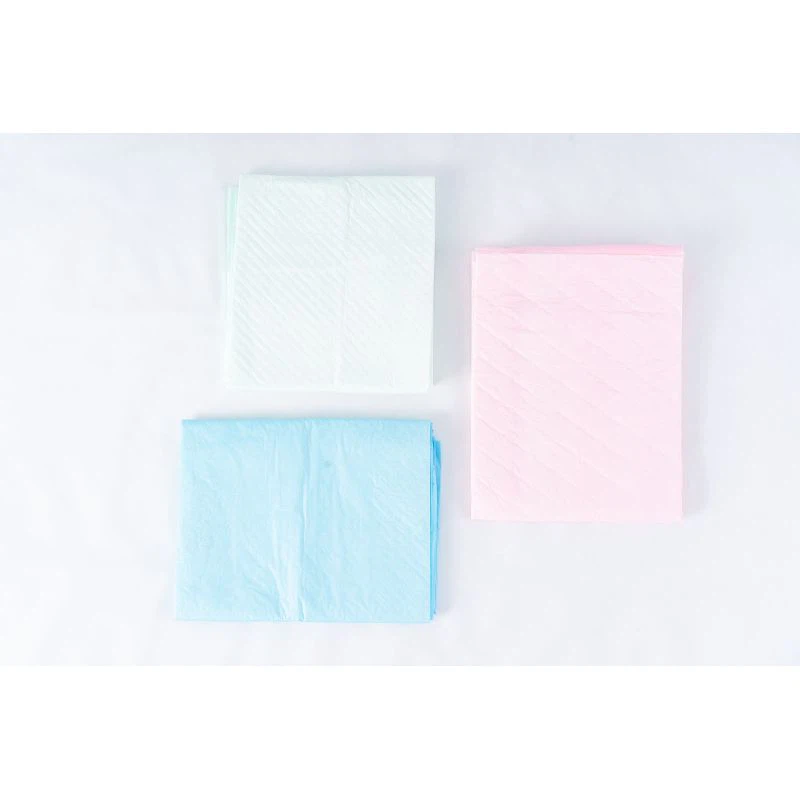
We also offer a range of other disposable medical products, such as link text: Disposable Medical Isolation Gown and link text: Disposable Absorbent Underpad, which are designed to meet the highest standards of quality and safety.
Encouraging Responsible Disposal
Proper disposal of CPE gowns is crucial to minimize their environmental impact. In healthcare settings, gowns should be disposed of in accordance with medical waste management regulations. This often involves incineration, which can reduce the volume of waste and destroy any potential pathogens.
However, incineration also has its own environmental implications, such as the release of greenhouse gases and other pollutants. Therefore, it is important to explore alternative disposal methods, such as recycling or composting, where possible.
The Future of Disposable Protective Gear
The future of disposable protective gear lies in finding a balance between protection and environmental sustainability. As technology advances, we can expect to see more innovative solutions that offer both excellent protection and reduced environmental impact.
Research is underway to develop biodegradable polymers that can be used in the production of protective gowns. These polymers could potentially replace CPE and other non - biodegradable materials, leading to a more sustainable future for the protective gear industry.
Contact Us for Procurement and Discussion
If you are interested in purchasing our Disposable CPE Gowns or any of our other disposable medical products, we invite you to reach out to us. We are happy to discuss your specific needs and provide you with detailed information about our products. Our team of experts is dedicated to providing high - quality products and excellent customer service.
References
- ASTM International. (2023). Standard Test Methods for Determining Aerobic Biodegradation of Plastic Materials Under Controlled Composting Conditions.
- European Bioplastics. (2023). Bioplastics Market Report.
- World Health Organization. (2023). Guidelines for the Safe Management of Wastes from Health - Care Activities.