


As a supplier of Disposable CPE Gowns, I often receive inquiries from customers about the various properties of our products. One question that has come up more frequently lately is whether disposable CPE gowns are resistant to UV rays. In this blog post, I'll delve into this topic, exploring the science behind CPE materials and their interaction with UV light, and highlighting the implications for the use of these gowns.
What are Disposable CPE Gowns?
Disposable CPE (Chlorinated Polyethylene) gowns are widely used in a variety of industries, including healthcare, food processing, and industrial manufacturing. These gowns provide a barrier against liquids, particles, and some chemicals, protecting the wearer from potential hazards. They are popular due to their affordability, lightweight nature, and ease of disposal, making them a practical choice for single - use applications.

Disposable CPE Gown offers an economical and hygienic solution for many workplace scenarios. Companies often choose them to ensure the safety of their employees while also maintaining cost - effectiveness.
Understanding UV Rays
UV (Ultraviolet) rays are a type of electromagnetic radiation with wavelengths shorter than visible light. They are divided into three main categories: UVA (320 - 400 nm), UVB (280 - 320 nm), and UVC (100 - 280 nm). UVC is mostly absorbed by the Earth's ozone layer, but UVA and UVB can reach the Earth's surface and have different effects on materials and living organisms.
UVA rays can penetrate deeper into the skin and are a major contributor to skin aging and long - term damage. UVB rays are more intense and are the primary cause of sunburns and skin cancers. When it comes to materials, UV rays can cause degradation, including discoloration, embrittlement, and loss of mechanical properties.
The Resistance of CPE to UV Rays
In general, CPE is not highly resistant to UV rays. Like many polymers, CPE can undergo photo - oxidation when exposed to UV light. Photo - oxidation is a chemical reaction where the polymer chains are broken down by the energy from UV photons, leading to changes in the material's structure and properties.
When CPE gowns are exposed to UV rays for extended periods, several things can happen. First, the gown may start to discolor. It could turn yellow or become brittle. The brittleness is a significant concern as it can lead to cracks and holes in the gown, compromising its ability to provide a protective barrier.
The degree of UV damage depends on several factors, including the intensity of the UV radiation, the duration of exposure, and the presence of any additives in the CPE material. Some manufacturers may add UV stabilizers to their CPE formulations to improve the material's resistance to UV rays. These stabilizers work by absorbing or dissipating the UV energy, preventing it from causing damage to the polymer chains. However, the effectiveness of these additives can vary, and they may not completely eliminate the risk of UV damage.
Applications and UV Exposure
In most typical applications, disposable CPE gowns are not expected to be exposed to direct and prolonged UV rays. In a healthcare setting, for example, gowns are used indoors, where the UV exposure is minimal. Similarly, in food processing plants and industrial manufacturing facilities, the gowns are usually worn in areas where there is little to no exposure to sunlight.
However, there are some scenarios where UV exposure might occur. For instance, in outdoor medical emergency response situations or in some industrial jobs that take place outdoors, the gowns could be exposed to direct sunlight. In these cases, if the gowns are not protected from UV rays, their performance and lifespan may be affected.
Comparison with Other Disposable Products
Let's compare disposable CPE gowns with some other disposable products in terms of UV resistance.
Disposable White Lab Coat is another commonly used disposable protective garment. Lab coats are often made from non - woven materials, which may have different UV resistance properties compared to CPE. Some non - woven materials may be more or less resistant to UV rays depending on their composition and manufacturing process.
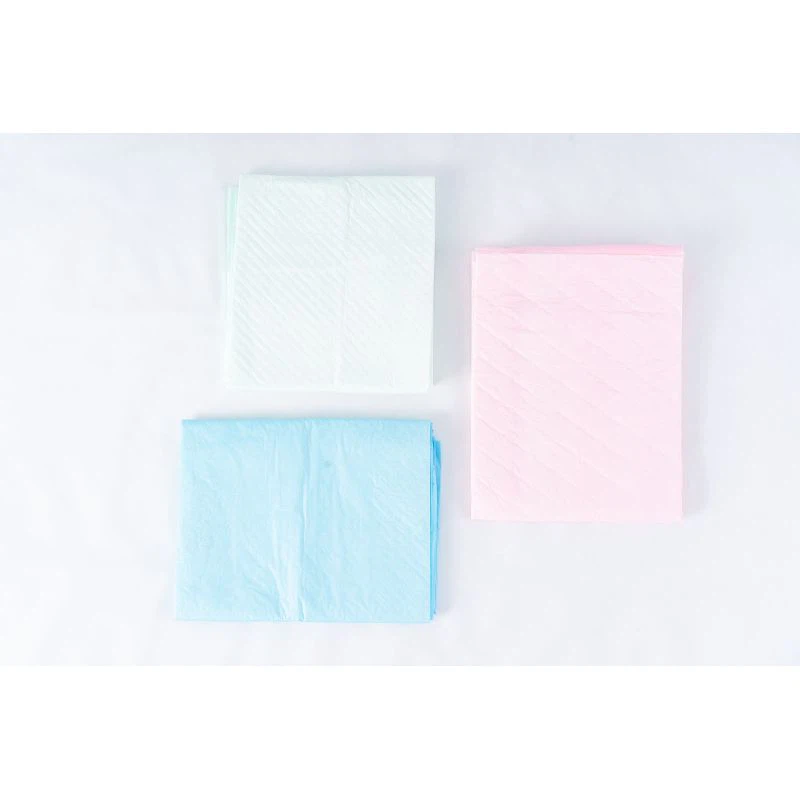
Disposable Absorbent Underpad is mainly designed for absorbing liquids and is not typically exposed to UV rays in normal use. However, if it were to be used in an outdoor setting, its UV resistance would also depend on the materials it is made of, which are usually a combination of absorbent polymers and non - woven fabrics.
Sterile Disposable Bouffant Cap is commonly used in healthcare and cleanroom environments. These caps are often made from thin non - woven materials, which may be vulnerable to UV damage similar to CPE gowns if exposed to sunlight for extended periods.
Disposable Medical Isolation Gown is designed to provide a high - level of protection in healthcare settings. Some isolation gowns are made from materials that may have better UV resistance than CPE, especially if they are intended for use in outdoor environments or in situations where there is a risk of UV exposure.
Mitigating UV Damage
If you need to use disposable CPE gowns in an environment where there is a risk of UV exposure, there are several steps you can take to mitigate the damage.
- Limit Exposure Time: Whenever possible, minimize the time that the gowns are exposed to direct sunlight or other sources of UV radiation. For example, if you are using CPE gowns in an outdoor medical emergency, try to keep the gowns covered or stored away when not in use.
- Provide Shade: Set up shelters or use umbrellas to protect the gowns from direct sunlight. This simple step can significantly reduce the amount of UV radiation the gowns are exposed to.
- Choose Gowns with UV Stabilizers: When purchasing disposable CPE gowns, ask the supplier if the gowns have been treated with UV stabilizers. Gowns with these additives are likely to have better UV resistance.
Conclusion
In conclusion, while disposable CPE gowns are a practical and cost - effective solution for many applications, they are not highly resistant to UV rays. Prolonged exposure to UV light can cause discoloration, embrittlement, and a loss of the gown's protective properties. However, in most typical indoor applications, the risk of significant UV damage is low.
If you have specific requirements for UV - resistant disposable gowns or if you need to use the gowns in an outdoor environment, it's important to discuss your needs with a reliable supplier. We, as a professional Disposable CPE Gown supplier, are committed to providing high - quality products and can offer guidance on the best products for your particular situation.
If you're interested in purchasing Disposable CPE Gowns or any other related disposable medical supplies, please feel free to reach out to us for procurement discussions. We're here to ensure that you get the best products that meet your safety and operational requirements.
References
- ASTM International. Standard test methods for evaluating the performance of protective clothing materials and clothing systems.
- Plastics Additives Handbook. Edited by Gächter, Müller, and Beyer. Hanser Publishers.
- Journal of Applied Polymer Science. Various articles on polymer degradation and UV resistance.