


Hey there! As a supplier of standard surgical gowns, I've always been fascinated by the history behind these essential pieces of medical equipment. In this blog post, I'll take you on a journey through time to explore the evolution of standard surgical gowns, from their humble beginnings to the high-tech designs we have today.
Early Days: The Birth of Surgical Attire
Back in the day, surgery was a pretty risky business. There were no proper sterilization techniques, and infections were rampant. In the mid-19th century, a Hungarian physician named Ignaz Semmelweis made a groundbreaking discovery. He noticed that the incidence of puerperal fever (a deadly infection that affected women after childbirth) was significantly lower in the maternity ward where doctors washed their hands with chlorinated lime solution. This simple act of handwashing was a game-changer, but it was just the beginning.
Around the same time, Joseph Lister, a British surgeon, introduced the concept of antiseptic surgery. He used carbolic acid to disinfect surgical instruments and wounds, which dramatically reduced the risk of infection. As the importance of cleanliness and infection control became more widely recognized, the need for proper surgical attire became apparent.
The first surgical gowns were simple, knee-length aprons made of linen or cotton. These gowns were designed to protect the surgeon's clothing from blood and other bodily fluids, but they offered little in the way of barrier protection. They were also reusable, which meant they had to be laundered after each use. While this was better than nothing, it was far from ideal.
The Rise of Disposable Surgical Gowns
In the 20th century, the medical industry underwent a major transformation. Advances in technology and materials led to the development of disposable surgical gowns. These gowns were made from non-woven materials, such as polypropylene, which offered better barrier protection than traditional cotton gowns. They were also lightweight, breathable, and easy to dispose of after use, which helped to reduce the risk of cross-contamination.
The introduction of disposable surgical gowns was a significant milestone in the history of surgical attire. It not only improved the safety and comfort of surgeons and patients but also made it easier to maintain a sterile operating environment. As a result, disposable surgical gowns quickly became the standard in hospitals and surgical centers around the world.
Modern Standards and Regulations
Today, standard surgical gowns are subject to strict standards and regulations to ensure their safety and effectiveness. In the United States, the Food and Drug Administration (FDA) regulates the manufacturing and sale of surgical gowns. The FDA requires that surgical gowns meet certain performance criteria, such as fluid resistance, barrier efficiency, and durability.
In addition to FDA regulations, there are also international standards for surgical gowns, such as the ISO 13982 standard. This standard specifies the requirements for surgical gowns in terms of their design, construction, and performance. By adhering to these standards, manufacturers can ensure that their surgical gowns provide the highest level of protection for surgeons and patients.
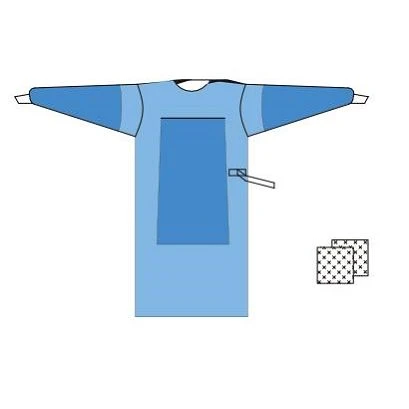
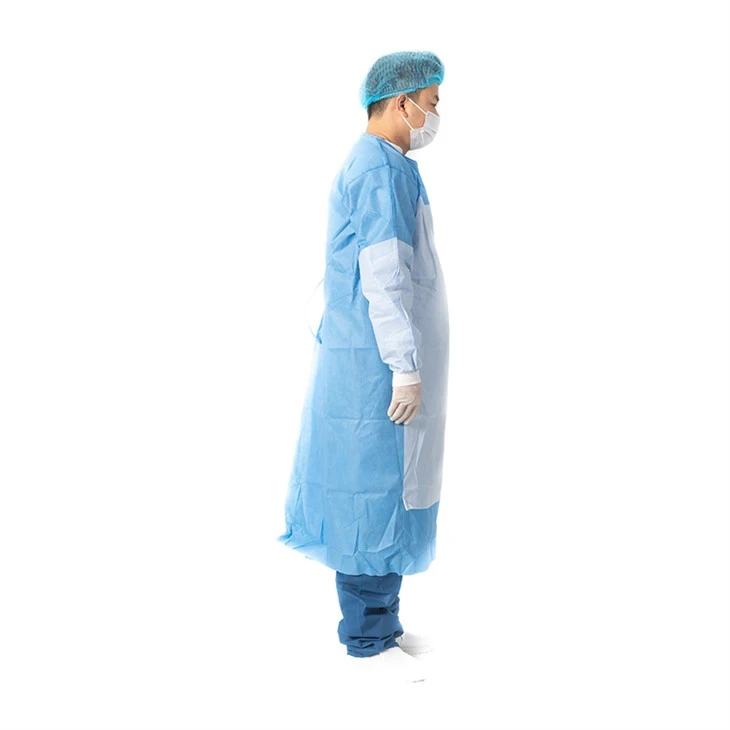
Types of Standard Surgical Gowns
There are several types of standard surgical gowns available on the market today, each designed for a specific purpose. Here are some of the most common types:
- Non-sterile Surgical Gown: These gowns are used in non-surgical settings, such as clinics and doctor's offices. They are typically made from lightweight, breathable materials and offer basic protection against fluids and contaminants.
- Semi-barrier Surgical Gown Pack: These gowns are designed for use in low-risk surgical procedures. They provide a moderate level of barrier protection against fluids and microorganisms and are often used in outpatient surgeries and minor procedures.
- Disposable Sterile Standard Surgical Gown: These gowns are used in high-risk surgical procedures, such as open-heart surgery and organ transplantation. They are made from high-quality materials and are sterilized to ensure maximum protection against infection.
The Future of Standard Surgical Gowns
As technology continues to advance, the future of standard surgical gowns looks bright. Researchers are constantly working on developing new materials and designs that offer even better protection and comfort. For example, some companies are exploring the use of nanotechnology to create surgical gowns that are more resistant to fluids and microorganisms.
In addition to technological advancements, there is also a growing trend towards sustainable and eco-friendly surgical gowns. Many hospitals and healthcare providers are looking for ways to reduce their environmental impact, and disposable surgical gowns made from biodegradable materials are becoming increasingly popular.
Conclusion
The history of standard surgical gowns is a fascinating one, filled with innovation and progress. From the early days of simple linen aprons to the high-tech disposable gowns we have today, surgical attire has come a long way. As a supplier of standard surgical gowns, I'm proud to be a part of this industry and to contribute to the safety and well-being of patients and healthcare professionals.
If you're in the market for high-quality standard surgical gowns, I encourage you to get in touch with us. We offer a wide range of surgical gowns to meet the needs of different healthcare settings and procedures. Whether you're looking for non-sterile gowns for your clinic or disposable sterile gowns for your operating room, we've got you covered.
Contact us today to learn more about our products and to discuss your specific requirements. We look forward to working with you!
References
- Semmelweis, I. P. (1861). The etiology, concept, and prophylaxis of childbed fever.
- Lister, J. (1867). On the antiseptic principle in the practice of surgery.
- Food and Drug Administration (FDA). (n.d.). Surgical gowns. Retrieved from [FDA website]
- International Organization for Standardization (ISO). (2019). ISO 13982:2019 - Protective clothing - Clothing providing protection against dry particulate aerosols.