


Selecting the appropriate ophthalmology pack is a critical decision for medical professionals, hospitals, and clinics. As a seasoned ophthalmology pack supplier, I understand the complexities involved in this process and am here to guide you through the key considerations.
1. Understand the Types of Ophthalmology Packs
There are several types of ophthalmology packs available in the market, each tailored to specific ophthalmic procedures.
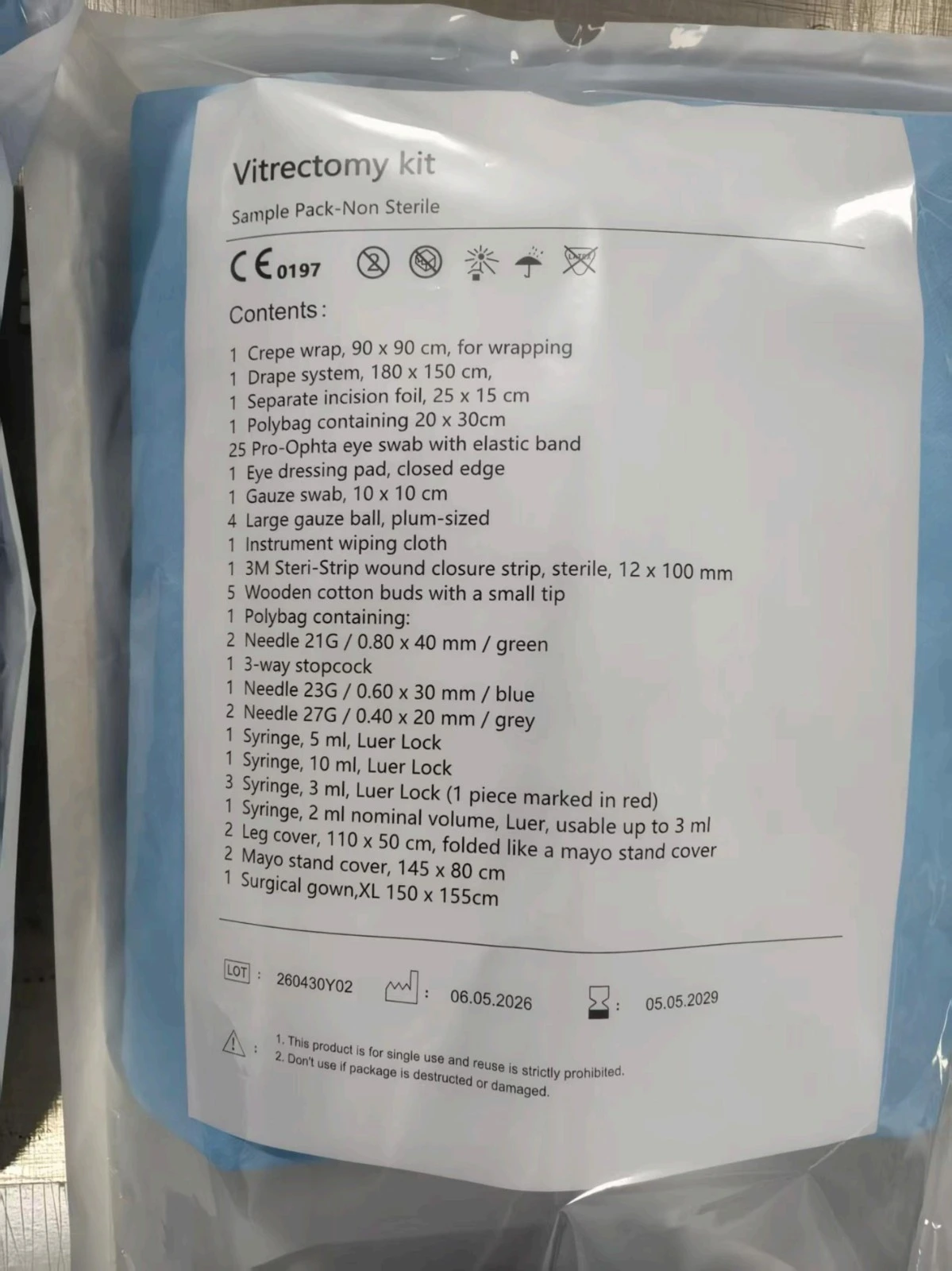
- Vitrectomy Packs: These packs are specifically designed for vitrectomy procedures, which involve the removal of the vitreous humor from the eye. The Vitrectomy Pack IVOM Set is a prime example. It typically includes instruments and supplies such as vitrectomy probes, infusion lines, and light pipes that are essential for this intricate surgical procedure.
- Phaco Kits: Phacoemulsification is a common method for cataract surgery. The Phaco Kit | Disposable Ophthalmic Surgical Kit contains all the necessary disposable items for this procedure, including phaco needles, irrigation/aspiration tips, and capsulotomy forceps. These kits are designed to ensure the sterility and efficiency of the cataract removal process.
- Ophthalmic Surgery Sets for Cataract Procedures: The Ophthalmic Surgery Sets Cataract Kits are comprehensive packages that may include a wider range of instruments and supplies for cataract surgeries. They can have items like surgical blades, speculums, and viscoelastic devices, providing a one - stop solution for the entire cataract surgery process.
- Cataract Packs: Similar to the above but often more focused on the essentials of cataract surgery. The Cataract Pack usually contains components like the intraocular lens (IOL), syringes for local anesthesia, and drapes for maintaining a sterile field.
- General Vitrectomy Kits: The Vitrectomy Kit | Disposable Ophthalmic Surgical Kit is another option for vitrectomy procedures. It offers a set of disposable items that are crucial for performing a successful vitrectomy, such as cannulas and trocars.
2. Consider the Procedure Requirements
The first step in choosing the right ophthalmology pack is to clearly define the specific ophthalmic procedure. Different surgeries have different requirements in terms of instruments, supplies, and sterility levels. For example, a simple cataract extraction may require a basic phaco kit with the necessary tools for lens removal and insertion. On the other hand, a complex vitrectomy procedure may need a more comprehensive vitrectomy pack or kit that includes specialized instruments for handling the vitreous humor and treating the retina.
Additionally, it's important to consider the patient's condition. Some patients may have specific anatomical or physiological factors that influence the choice of instruments. For instance, a patient with a very small pupil may require instruments with a smaller diameter for better access during surgery.
3. Evaluate the Quality of the Pack
Quality is of utmost importance when it comes to ophthalmology packs. Since these packs are used in delicate eye surgeries, they must meet the highest standards of quality and safety.
- Material Quality: The materials used in the instruments and supplies should be biocompatible, non - toxic, and durable. For example, the blades in the cataract packs should be sharp and made of high - quality steel to ensure precise cuts. The intraocular lenses in the cataract packs should be made of materials that are well - tolerated by the eye and provide good optical performance.
- Sterility Assurance: All ophthalmology packs should be sterile. Look for packs that are individually wrapped and have undergone proper sterilization processes, such as gamma irradiation or ethylene oxide sterilization. The packaging should also maintain the sterility of the contents until the pack is opened in the operating room.
- Product Testing: Reputable suppliers conduct rigorous product testing to ensure the performance and safety of their ophthalmology packs. Look for packs that have been tested according to international standards, such as ISO 13485 for medical device quality management systems.
4. Assess the Manufacturer's Reputation
The reputation of the manufacturer is a key factor in choosing the right ophthalmology pack. A well - established and reputable manufacturer is more likely to produce high - quality products and provide reliable after - sales support.
- Industry Experience: The manufacturer's experience in the ophthalmology industry is an important indicator of their expertise. Look for manufacturers who have been in the business for several years and have a proven track record of producing safe and effective ophthalmology packs.
- Customer Reviews and References: Read customer reviews and ask for references from other medical institutions that have used the manufacturer's products. Positive reviews and feedback from satisfied customers are a good sign that the manufacturer can be trusted.
- Regulatory Compliance: Ensure that the manufacturer complies with all relevant regulatory requirements in your country or region. This includes obtaining the necessary approvals from government agencies, such as the FDA in the United States or the CE mark in Europe.
5. Cost - Effectiveness
While quality should never be compromised, cost - effectiveness is also an important consideration. Compare the prices of different ophthalmology packs from various suppliers, taking into account the quality, contents, and brand reputation.

- Total Cost of Ownership: Consider not only the purchase price of the pack but also the total cost of ownership. This includes factors such as shipping costs, storage costs, and the cost of any additional accessories or consumables that may be required.
- Volume Discounts: Many suppliers offer volume discounts for large - scale purchases. If you are a hospital or clinic that performs a high volume of ophthalmic surgeries, negotiate with the supplier to get the best possible price.
- Value for Money: Look for packs that offer good value for money. This means getting a pack that contains all the necessary instruments and supplies at a reasonable price, without sacrificing quality.
6. Compatibility and Customization
The ophthalmology pack should be compatible with the existing equipment and surgical techniques used in your facility. Some packs may be designed to work specifically with certain brands of surgical equipment, so it's important to ensure compatibility before making a purchase.
- Customization Options: In some cases, you may have specific requirements for your ophthalmology packs. Look for suppliers who offer customization options, such as the ability to include or exclude certain items from the pack. This allows you to tailor the pack to your specific needs and reduce waste.
7. After - Sales Support
Good after - sales support is essential when purchasing ophthalmology packs. The supplier should be able to provide technical support, training, and replacement parts if needed.
- Technical Support: Ensure that the supplier has a dedicated technical support team that can assist you with any questions or issues you may encounter during the use of the pack.
- Training Programs: Some suppliers offer training programs for medical professionals on how to use their ophthalmology packs effectively. This can be especially beneficial for new or inexperienced users.
- Replacement Parts and Warranty: Check if the supplier provides replacement parts for the instruments in the pack and what the warranty policy is. A long - term warranty can give you peace of mind and protect your investment.
In conclusion, choosing the right ophthalmology pack requires careful consideration of the procedure requirements, quality, manufacturer's reputation, cost - effectiveness, compatibility, and after - sales support. As a trusted ophthalmology pack supplier, we are committed to providing high - quality products that meet the diverse needs of our customers. If you are interested in learning more about our ophthalmology packs or would like to discuss your specific requirements, please do not hesitate to contact us for a purchase negotiation.
References
- Standards for Ophthalmic Surgical Instruments and Packs, International Organization for Standardization (ISO)
- Best Practices in Ophthalmic Surgery Supply Management, Journal of Ophthalmic Surgery and Technology